Kolari Shades
Most sunglasses are polished plastic.
Ours are optically flat Corning Gorilla Glass, made by a lab that builds camera optics for a living. You do not have to take our word for it. Scroll down and look through both.
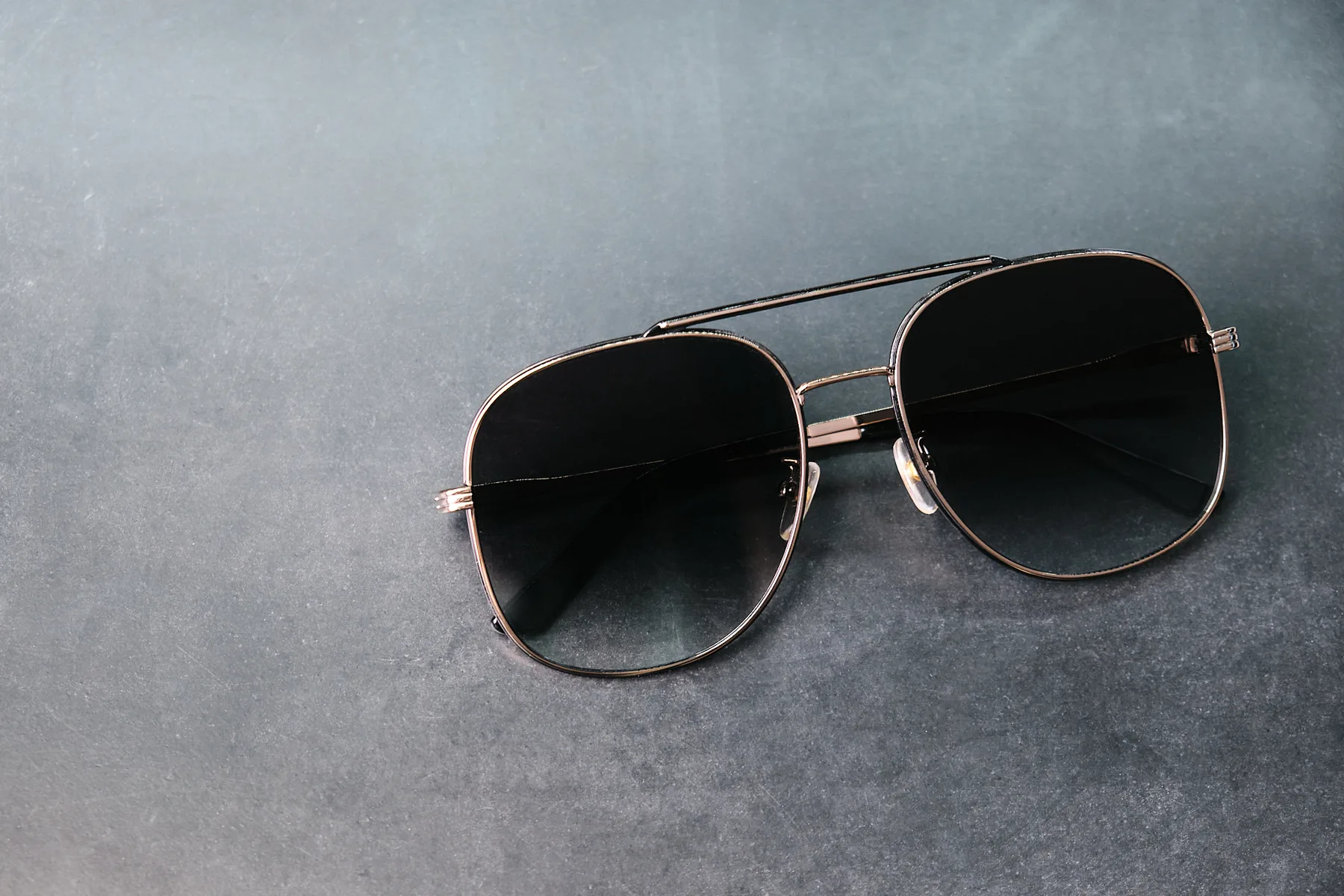
As featured in
The test
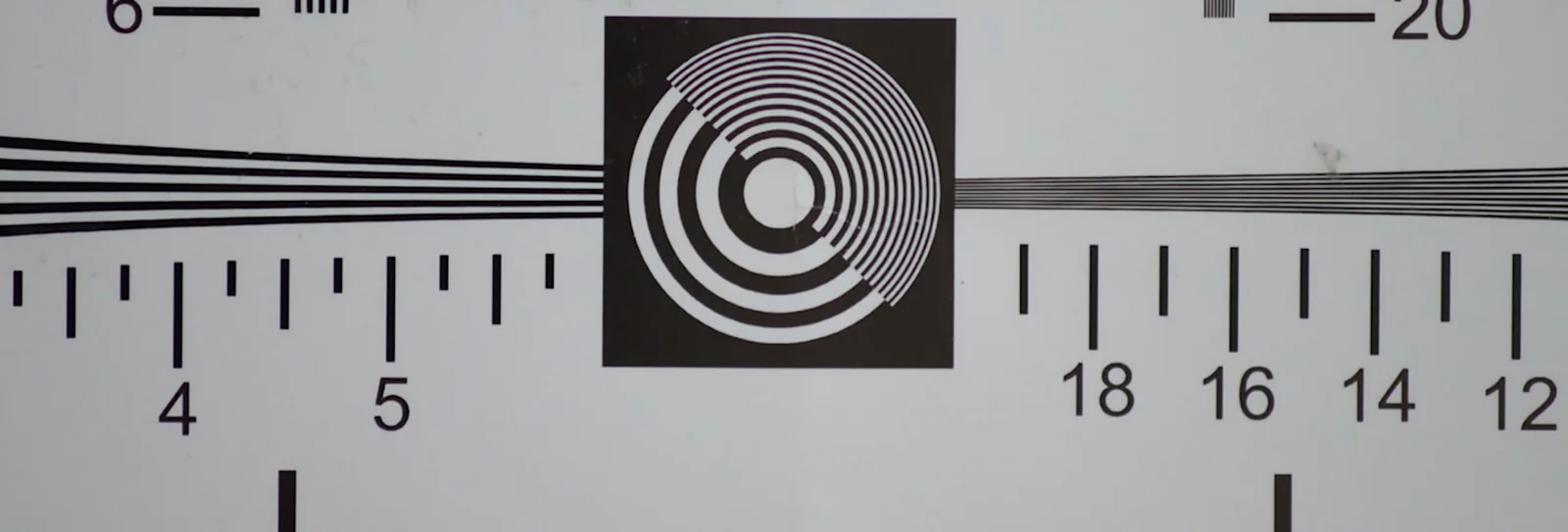
The same resolution chart.
Two different lenses.
This is a standard optical resolution target, the kind used to measure camera lenses. We photographed it through a luxury-brand lens and through a Kolari Ultra lens, with everything else held identical. Drag the handle.
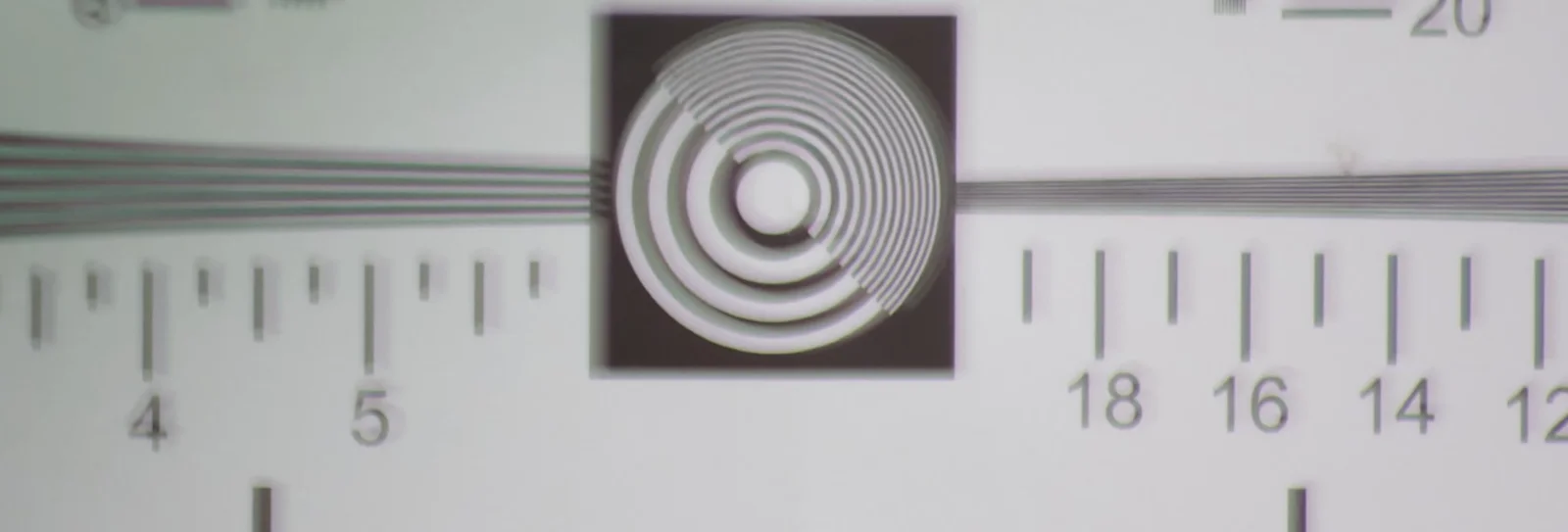
 Luxury brand
Kolari Ultra
Luxury brand
Kolari Ultra
Same chart, same camera, same light. The only variable is the lens in front of it.
That is the whole argument.
Three shapes, two lens tiers, from $239.99. Easy 60-day returns if you do not see it for yourself.
Why it happens
Curved plastic bends what you see.
Optically flat glass
Almost every sunglass lens is curved plastic, which distorts detail toward the edges. Kolari lenses are flat and ground to optical tolerance, the same standard as a camera filter.
Corning Gorilla Glass
Glass resolves detail that polycarbonate cannot, and it resists the fine scratching that turns plastic lenses hazy within a season.
51 coating layers
Anti-reflective and anti-smudge stacks applied layer by layer, so you get less glare bouncing back at you and fewer smears to wipe.
The obvious question
"Glass? On my face?"
Fair. It is the first thing everyone asks. So we hit them, dropped them and ground them into gravel on camera.
Gorilla Glass is the same family of material used on phone screens. Paired with a titanium frame that flexes instead of snapping, these are built to be worn, not babied.
What you are actually buying
A $400 logo is still plastic.
Most premium eyewear spends its budget on the name, not the lens. You can pay luxury prices and still be looking through injection-moulded polycarbonate.
Kolari spends it on the part you actually look through.
Like for like
Where the money goes.
Swipe the table across to reach the Kolari columns.
| Budget | Name brand | Luxury | Kolari | Kolari Ultra | |
|---|---|---|---|---|---|
| Lens material | Plastic | Plastic | Plastic | Gorilla Glass | Gorilla Glass |
| Optically flat | No | No | No | Yes | Yes |
| UV blocking | Varies | Up to 100% | Up to 100% | Up to 100% | Up to 100% |
| Infrared blocking | None | Minimal | Minimal | 90% | 99% |
| Colour neutral | No | Varies | Varies | Yes | Yes |
| Frame | Plastic | Acetate | Metal | Titanium | Titanium |
| Typical price | $20 | $180 | $400+ | $239.99 | $339.99 |
Protection
The half of sunlight nobody filters.
100%
of ultraviolet light blocked, up to. The part every decent lens handles.
99%
of infrared light blocked on Ultra lenses, 90% on standard. The part almost nobody handles.
0
colour shift. A neutral tint, so what you see stays the colour it actually is.
Infrared is roughly half the energy arriving from the sun and your eye cannot see it, so nothing tells you it is there. Blocking it also blocks infrared-based facial recognition, which is a side effect some people quite like.
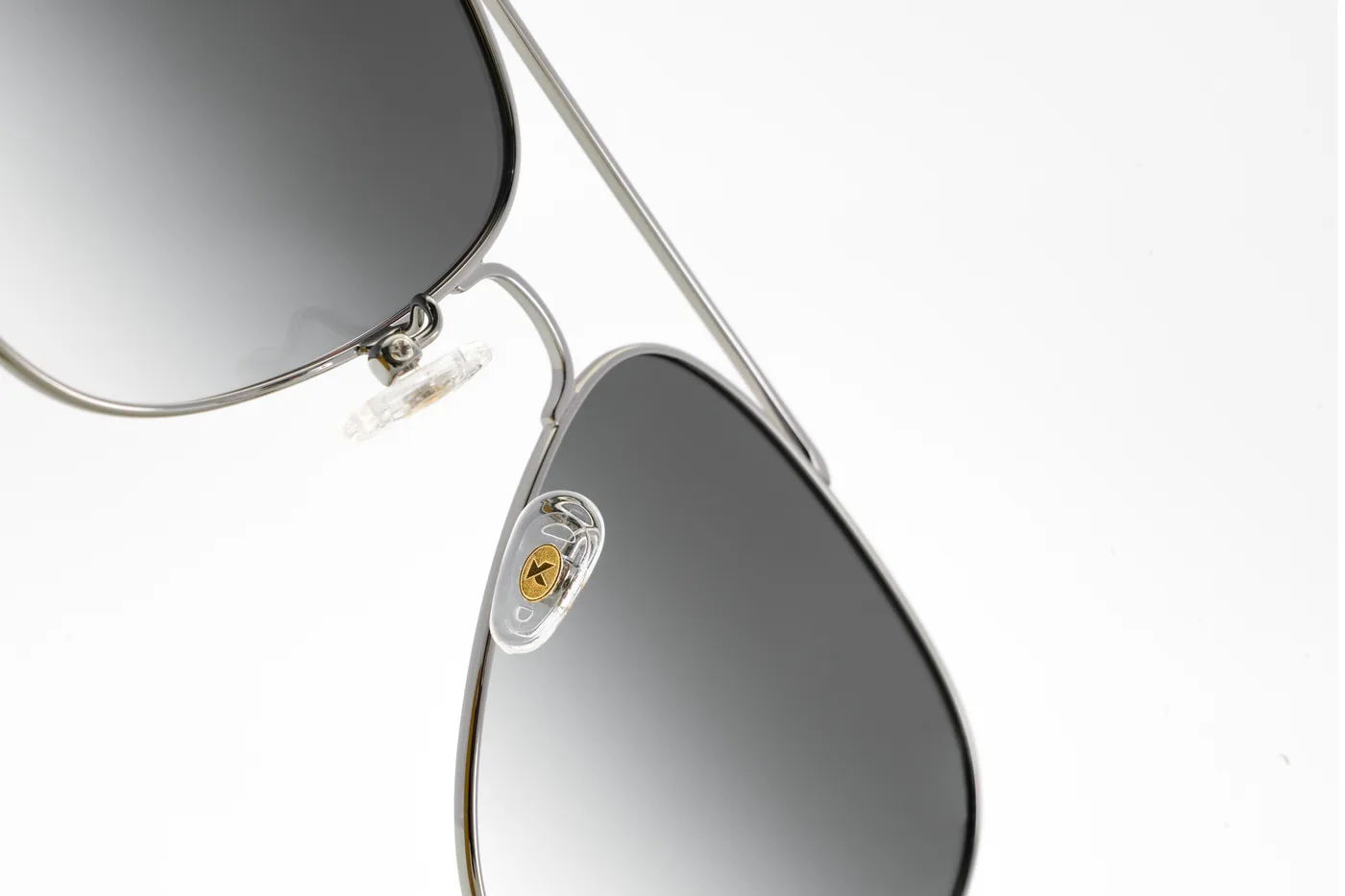
Who makes these
A camera lab, not a fashion label.
Ilija Melentijevic started repairing broken cameras at 16 and founded Kolari Vision at 18. The company has spent over a decade building infrared conversions and precision filters for working photographers and cinematographers.
Kolari Shades came out of that lab. Same glass, same coatings, same tolerances, pointed at your eyes instead of a sensor.
What owners say
Reviews
★★★★★
“As the IR filter I use from Kolari Vision is great, I thought the sunglasses could be as fantastic, and I’m not disappointed. As far as I can tell they provide the best protection I’ve seen. And the colours are respected, which is great.”
Verified purchase · Aviator · May 2025
★★★★★
“Top of the line shades. Very beautifully constructed; such attention to details and very sturdy. I got all three and it’s a relief wearing them outdoors.”
Verified purchase · Classic Ultra · November 2024
★★★★★
“What a relief to my eyes! And so well designed and made. I’m glad I bought two; they are amazing!”
Verified purchase · Horizon · October 2024
Choose yours
Three shapes. Two lens tiers.
The only difference between tiers is infrared blocking: 90% on standard, 99% on Ultra. Everything else, the glass, the titanium, the coatings, is identical.
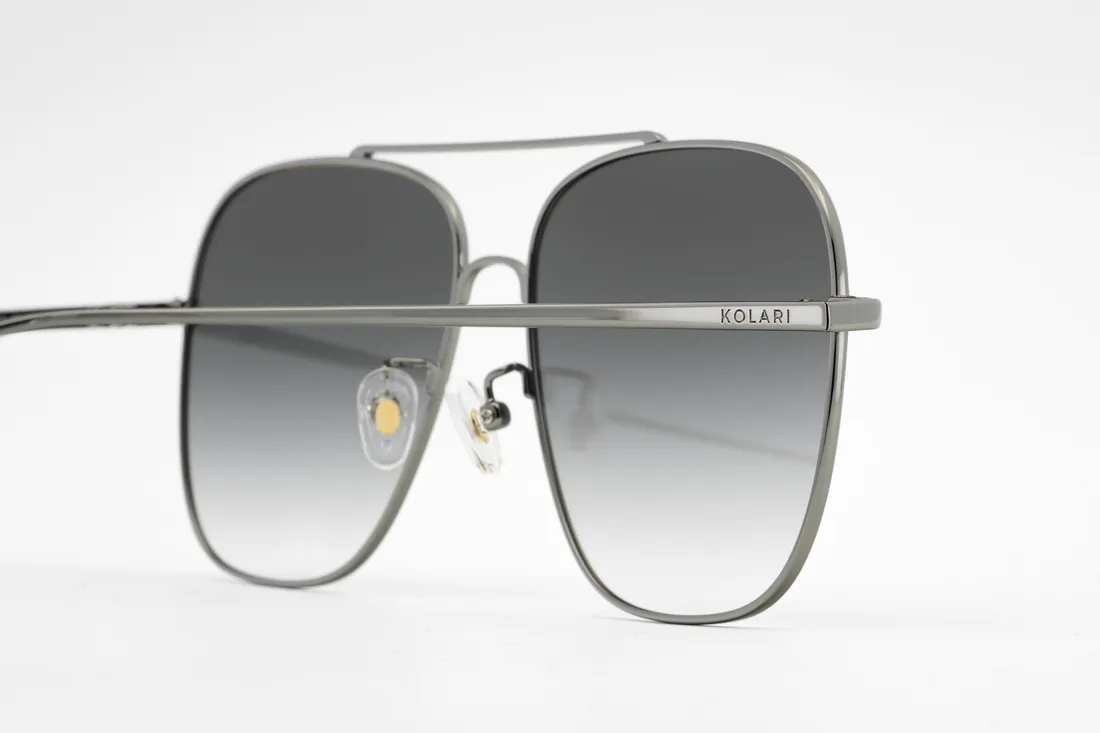
Aviator
The classic teardrop-adjacent shape. Suits most faces, the safest first pair.
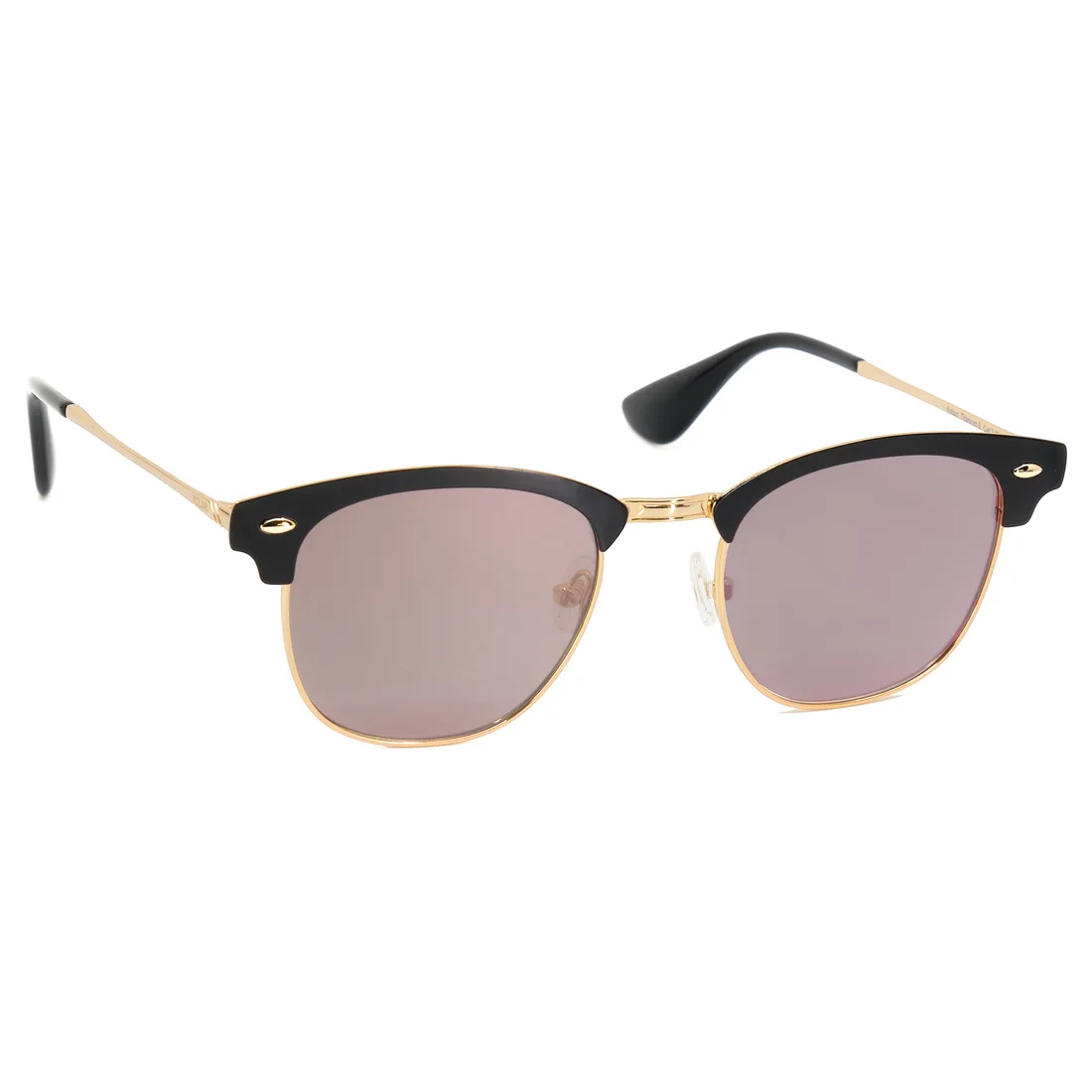
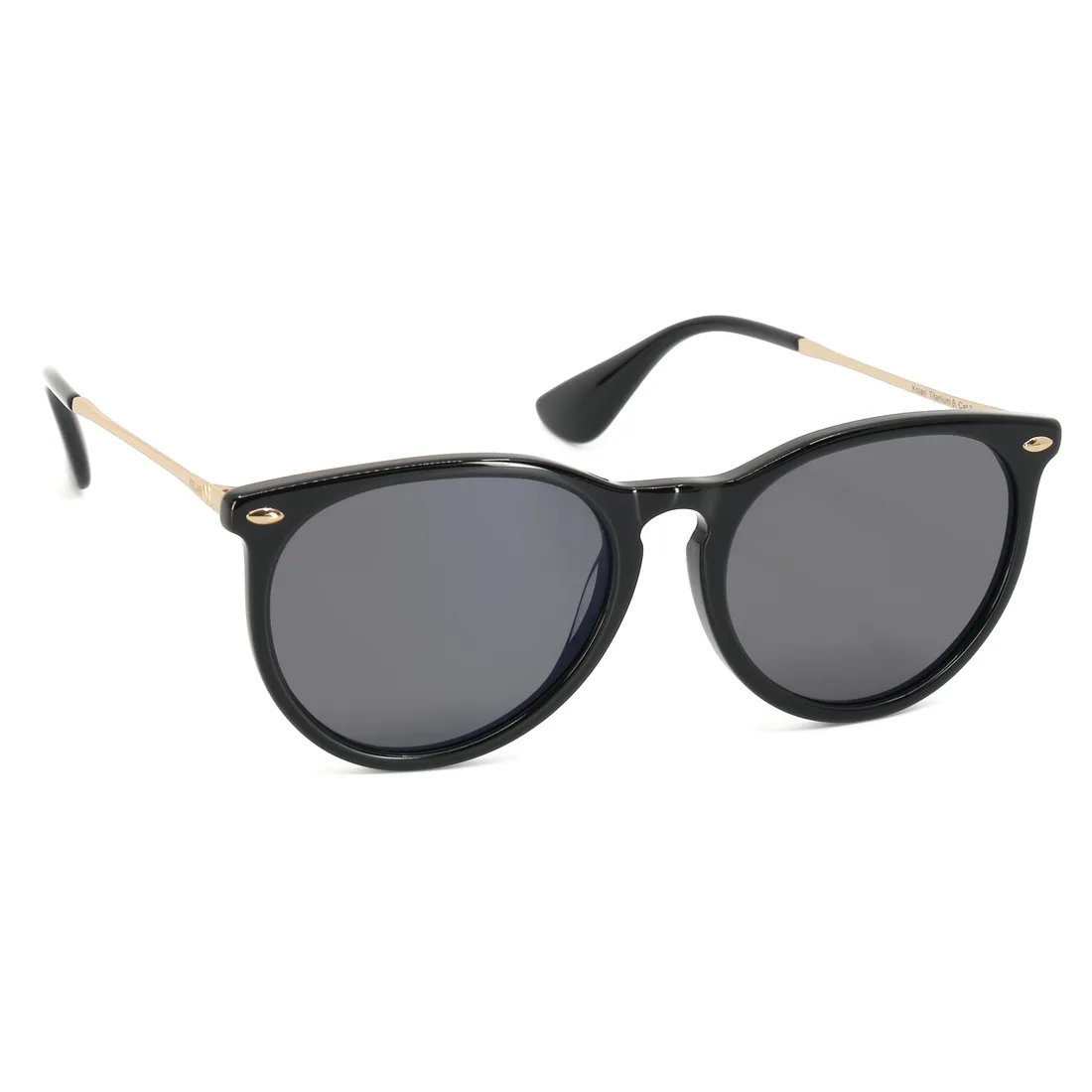
Horizon
Rounded and lighter on the face. The most casual shape.
Aviator comes in silver or gold, with a gradient lens option at no extra cost on the standard tier. Classic and Horizon come in a single finish.
If you don't see it, send them back.
Try them
Easy 60-day returns on every pair. Look through them in real daylight, and if you do not see the difference, send them back.
Free shipping
On all domestic orders over $100, and no sales tax outside New Jersey.
24-month warranty
A limited manufacturer’s warranty covers defects in the frames and lenses for two years.
Questions
Are glass lenses heavy?
They are heavier than plastic, but the frames are titanium, which is roughly half the weight of steel. Most people stop noticing within a day.
Will the glass shatter?
Corning Gorilla Glass is engineered for impact resistance, the same material family used on phone screens. The destruction video above shows the lenses taking direct impact and being ground into gravel.
What is the difference between 90% and 99% IR?
Only the infrared blocking. Standard lenses block 90% of infrared, Ultra lenses block 99%. Glass, coatings, frame and colour neutrality are identical. Standard is $239.99, Ultra is $339.99.
Why do these cost more than drugstore sunglasses?
Flat optical glass, 51 coating layers and titanium cost more to make than moulded polycarbonate and plastic. The comparison table above sets out exactly what changes at each price point.
Is there a warranty?
Yes. A 24-month limited manufacturer’s warranty covers defects in the frames and lenses. It does not cover normal wear and tear, scratches, accidental damage, drops, abuse, neglect, improper storage, or unauthorised repairs and modifications.
Can I get prescription lenses?
Not at the moment. Kolari Shades are currently made in non-prescription lenses only.
How long does shipping take?
3 to 7 days within the US. Free on domestic orders over $100, and no sales tax outside New Jersey.
Look through them yourself.
If the chart above did not convince you, wearing them will. And if it doesn't, send them back.
Choose your pair